 Enlarge
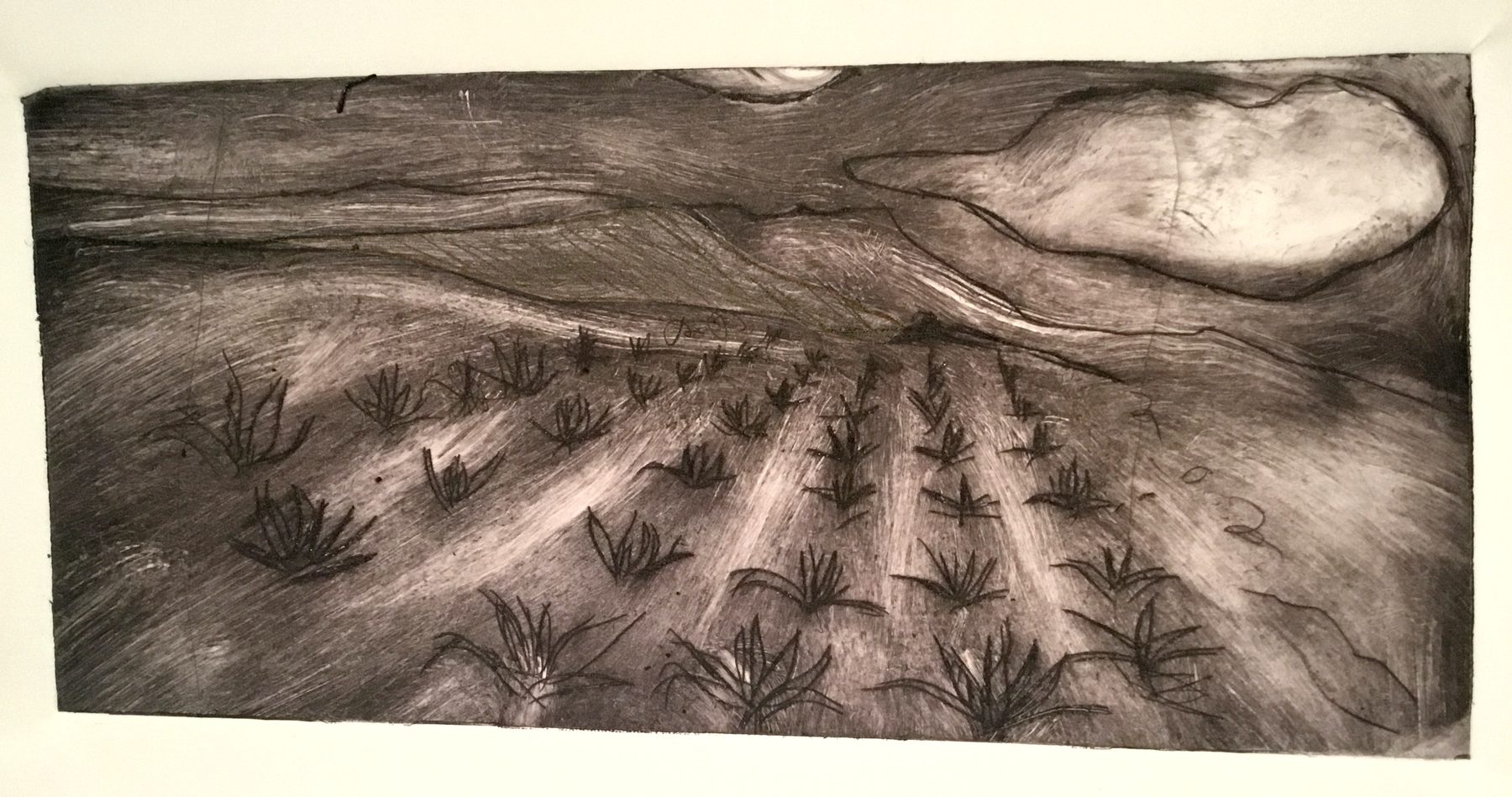
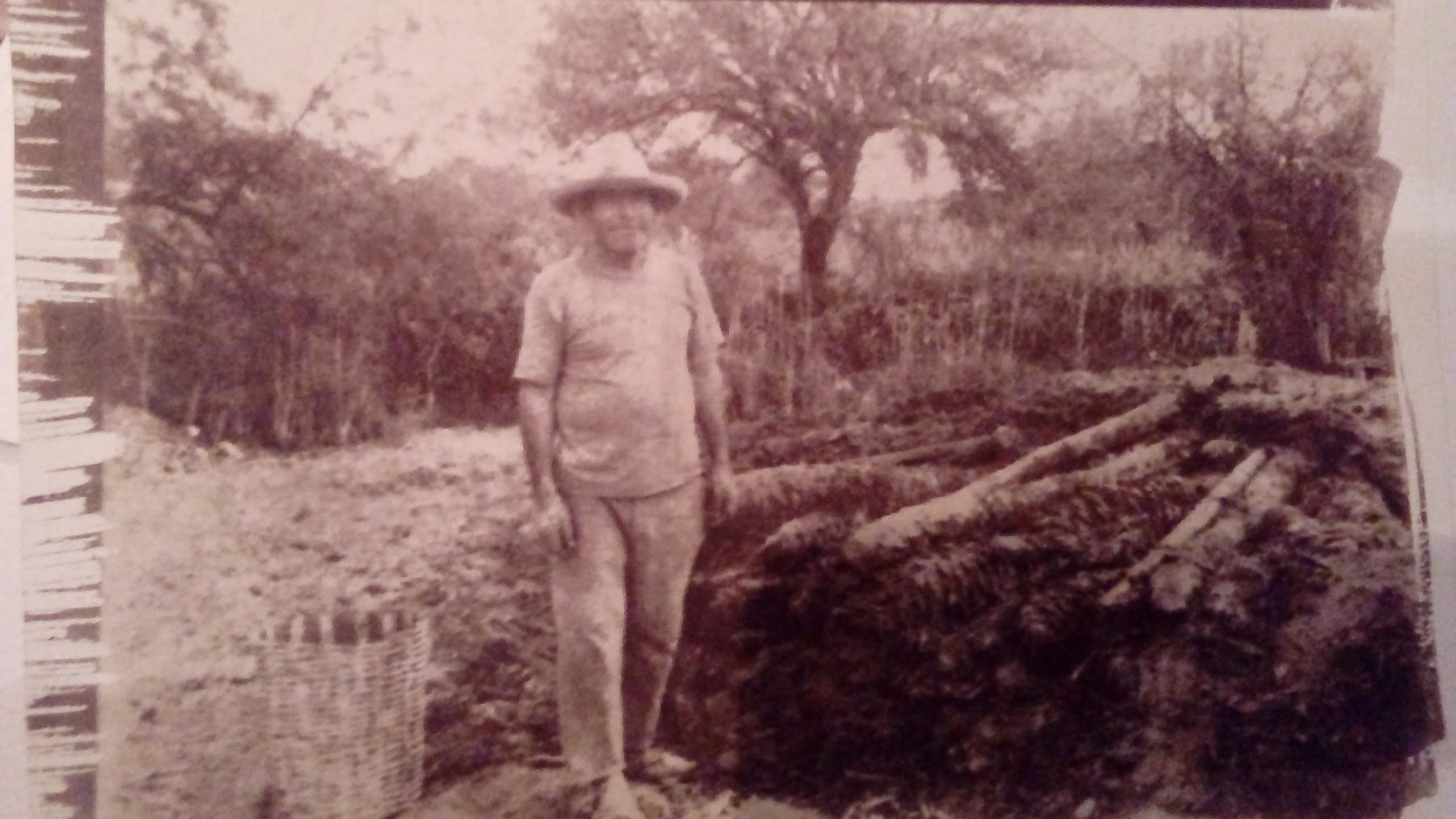
Mezcal oven — 2010 — Van Dyke process
Afterword to Eudiz et le mole de toujours
An attempt to evoke childhood innocence and the persistence of traditions as a support for elevation. Admittedly I had to go to the ends of the earth to find traditions that were alive, expressed and embraced, but at bottom it could have taken place in any corner of France or Navarre. Transmission is meant to be the main subject.
An awakening to the complexity of existence. To the struggle between utilitarianism and gratuitousness, which is the very salt of life.
Exoticism as a tolerable smuggler! Without fear, without reproach!
Admittedly it is alcohol at 55 degrees, but that is only a medium, a pretext, and I have not even mentioned the men firing automatic weapons in the mountains. You can now find quality bottles of mezcal at wine merchants' for €45!!! And the new generation of Mexicans is making the very most of their product — handsome bottles, illustrated labels — whereas 20 years ago mezcal was sent in bulk, in salvaged plastic drums, to the coast to make sugary cocktails in the tourist bars.
So how can one grasp the taste of mezcal if one has never drunk any?
To my mind there is as much difference between Armagnac and Cognac as between tequila and mezcal. Industry versus craft …
Tequila uses autoclave ovens, whereas mezcal uses this archaic oven. But the result is incomparable! Like all simple spirits, tequila needs time in the wood of the casks to become refined and more complex. Reposado (one year), Añejo (3 years and more ...). Casks from Port, Sauternes (Château d'Yquem for the richest!!), whisky, pine, new oak, to obtain the flattering aromas of cocoa, vanilla, raisins, coffee, prunes ... Seductive at first but in the long run sickening, like the guava-raspberry vapes from the corner bar-tabac!!! Mezcal, by the grace of this long cooking as close as possible to the fire, has a roundness and a richness, an extraordinary complexity of aromas, between the green of the plant, the cooked sugars and the smoky notes, letting the terroir and the varieties of plants express themselves!
And drinkable at 55 degrees as if it were water!
Or almost!